

Want to enhance your capacity to focus, cope with stress, and connect with people? Practicing mindfulness in your daily life can do these things and many more. This page contains articles discussing the scientific benefits of mindfulness and meditation, real-life examples of how mindfulness has benefited successful individuals, and case studies discussing the physical, psychological, emotional, and spiritual benefits of having a mindfulness practice.
The benefits of mindfulness trace back thousands of years, but research has just started popping up in the last several decades on how effective mindfulness can be in bringing about personal and professional improvements in one’s life, and creating positive changes in health, attitudes, behaviors, and moods.
If you’re looking to increase your emotional intelligence, decrease feelings of stress and anxiety, and build your self-monitoring capacity, mindfulness can help. From reducing stress to calling in creativity, learn about the wide range of benefits of mindfulness and meditation – and get tips on how to weave them into your life.

Take the edge off of everyday stress and build focus with mini meditations. These short bursts of mindfulness can have a profound impact on your life.

Find out how mindfulness and compassion go hand-in-hand, and get a simple compassion meditation you can try on your own.

Check out this meditation infographic for science-backed specifics on the health benefits of a regular meditation practice.

It takes less than 5 minutes to get stressed—so we should know how to de-stress in a flash, too. Here are 11 ways to de-stress in 5 minutes or less.

Although not a scientific ranking of the benefits of meditation, this list includes the greatest gifts meditation can bring to people with type A tendencies
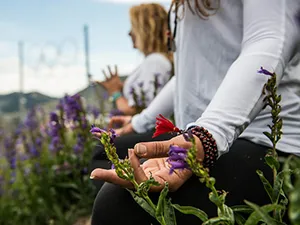
All of the thousands of techniques used in meditation can be grouped into four categories, or meditative states. Find out what they are.

Find out, in a fun and visual way, just how much a few minutes of daily meditation can do for your health.
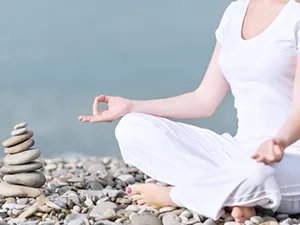
There are many different seated meditation styles, from mantra to mindfulness … and the list goes on. What’s the difference? And which one’s best?
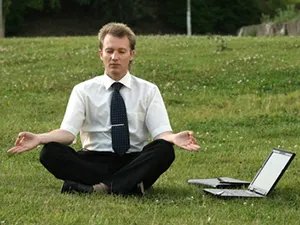
De-stress, let go of your busy day, and ease into the evening with this simple post-work meditation.

Watch this 15-minute video filled with practical advice on how to dial back the overwhelm and busyness, to dial up the creativity, joy, and productivity.

Meditation can seem intimidating. Will it take up all your time? Drive you into a cult? Here’s what’s true and what’s false when it comes to the myths about meditation.

We spend too much time rushing from point A to B. Walking meditation is a chance to do the opposite—strolling without any other purpose except to stroll.

This conversation between Jon Kabat-Zinn and Soren Gordhamer is full of humor, research, and interesting perspectives on why mindfulness is gaining interest.

This week is Wisdom 2.0! How can we live with wisdom, awareness, and compassion in the digital age? Wisdom 2.0 responds to this question. Tune in for free.

The MBSR program was created in 1979 by Jon Kabat-Zinn at the University of Massachusetts. UMass Center for Mindfulness sums up the benefits of the program well on their website, “Mindfulness-Based Stress Reduction has emerged as an effective, scientifically-tested method for reducing physical and psychological suffering while building resilience, balance and peace of mind.” Learn about my experience in the course.
Subscribe to My Newsletter
Join Melissa’s monthly newsletter for tips on leadership development and stress management in the modern world. Plus, you’ll get the free eBook, Mindful Leadership.

Hi! I’m Melissa, founder of Mindful Minutes, master certified executive coach (MCC), and mindful leadership educator. I built this site to encourage high achievers to manage their stress and find more balance in their work and life.


- Mindful leadership tools
- Stress management tips
- 5C Leadership Framework
- Plus: 10 exercises to succeed in volatility


